
Agricultural Brigades and Knowledge Exchange
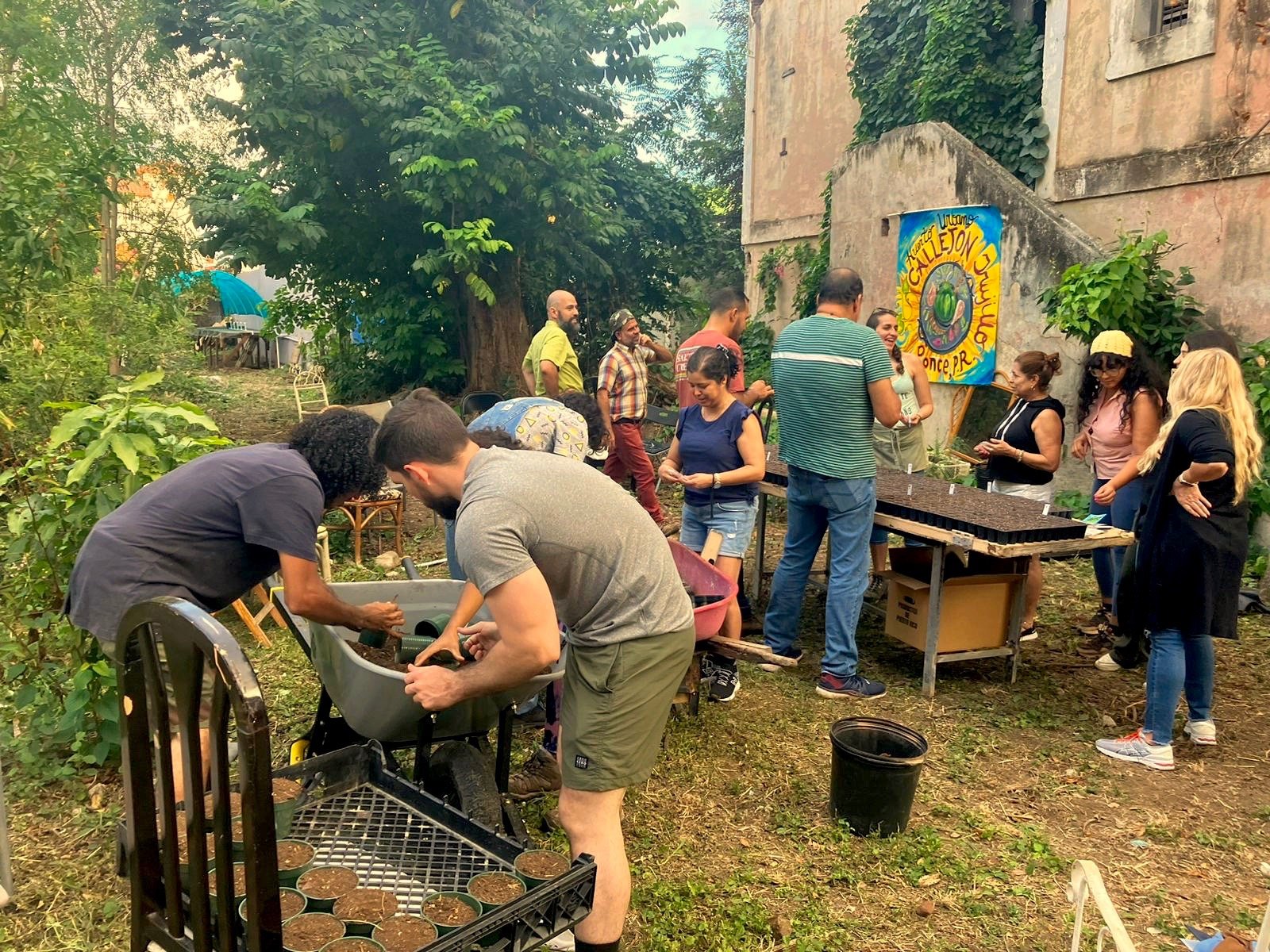
These workshops aim to share agroecological knowledge in a horizontal and participatory manner, based on the “Farmer-to-Farmer” methodology. Through the exchange of experiences among farmers, ecological and sustainable practices adapted to local contexts are promoted. Furthermore, this methodology strengthens the autonomy of farming communities, fosters food sovereignty, and contributes to agroecological resilience, while also reinforcing organization and the social fabric within the region.
Agroecological Political Education
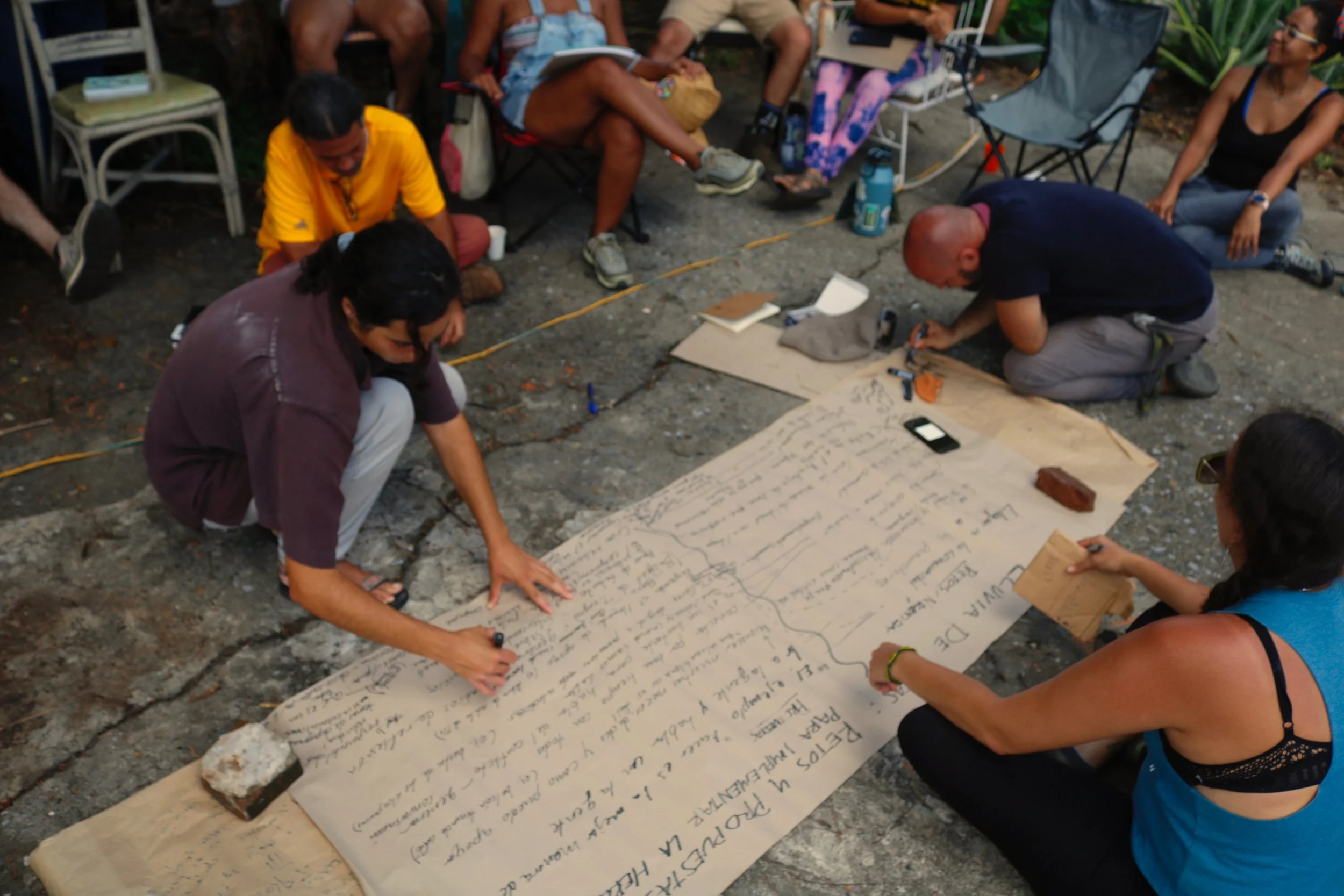
Training sessions are organized to integrate agroecological knowledge with a critical understanding of the socioeconomic and political factors that influence agriculture and food sovereignty. This type of training goes beyond sustainable agricultural techniques, incorporating topics such as social and environmental justice, intersectional struggles of class, gender, and race, decolonization and resistance against the agro-industrial model, and methodologies for social and community organizing. Through workshops, participatory education, and community actions, the aim is to educate and empower diverse rural and urban agricultural sectors and communities to transform their realities, promoting an agroecology that defends territorial rights and builds fairer and more resilient food systems.
Solidarity and Internationalist Networks
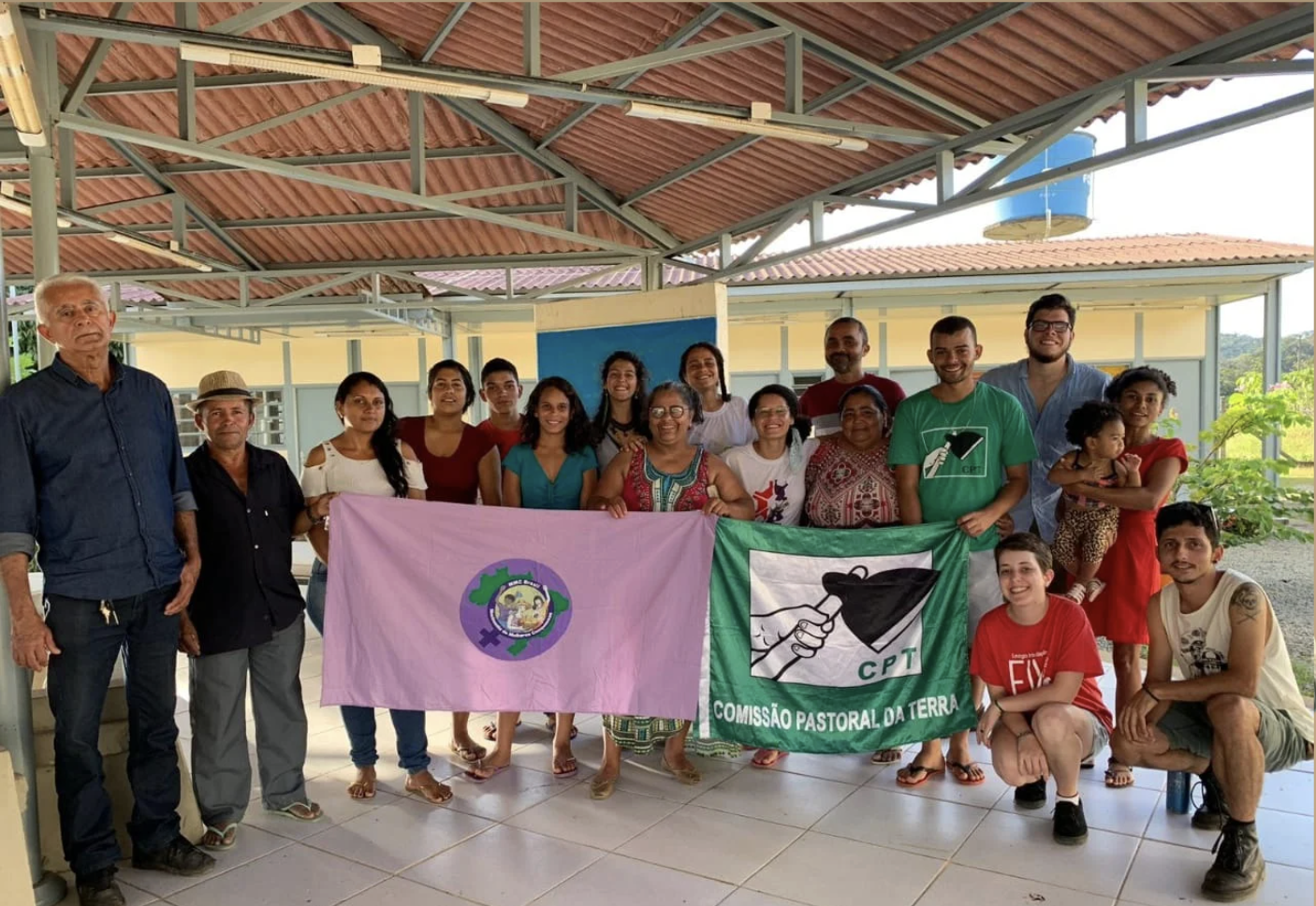
It seeks to strengthen CAMU’s collaboration with social movements, agroecological organizations, and political education initiatives worldwide, particularly in Latin America and the Caribbean. Through this initiative, we aim to forge bonds of solidarity, exchange knowledge, and share lessons learned that will enrich our organizational and agroecological practices in Puerto Rico. As part of this initiative, we annually send members of CAMU and allied organizations to participate in spaces for exchange, gathering, and training with international movements and processes. These experiences include visits and training programs at the Florestan Fernandes National School (ENFF) of the Landless Rural Workers’ Movement (MST) in Brazil, as well as exchanges with other organizations and movements in Latin America and the Caribbean. These opportunities allow us to learn about other methodologies of organization, political education, and agroecology, while strengthening networks of support and international solidarity that are essential to sustaining our struggles in the region.